Think in programs, not purchases
Most corporate gifting goes wrong in the same way: someone picks a product, adds a logo and figures out the rest later.
The result arrives on time, maybe. It gets opened, briefly. And it rarely says anything about the company that sent it.
A gifting program works differently. It starts with who's receiving the gift and why, then builds everything else—the gifts, the packaging, the personalization, the timing and the delivery—around that. It's more planning up front, but it's the difference between sending something and giving something.
This guide walks through how to plan a corporate gifting program step by step, from defining the purpose to getting every gift to the right door. When you're ready to build one, our corporate gifting programs handle each of these steps under one roof.
1. Start with the purpose
Before products, before packaging, answer two questions: who is this for, and what should it make them feel?
A thank-you to your biggest clients calls for something different than a welcome kit for new hires. The occasion shapes nearly every decision that follows, including the budget, the tone and how personal each gift should be.
- Client appreciationStrengthening relationships with clients, partners and VIPs.
- Employee recognitionMilestones, anniversaries and team appreciation.
- Executive and VIP giftingHigh-value relationships where the details matter most.
- Holiday giftingSeasonal programs produced and distributed at scale.
- Onboarding and welcome kitsA first impression for new employees, partners or participants.
- Events and conferencesGifts built around meetings, retreats, activations and events.
Many companies run more than one of these. Naming each one separately makes the rest of the planning much clearer.
2. Build the recipient list early
The recipient list is the least glamorous part of a gifting program and the one most likely to cause a delay.
Addresses need to be collected, confirmed and formatted. People move, change roles, work from home or leave the company. Some recipients should get gifts at the office, others at home. If gifts are personalized, names and titles need to be accurate for every single person.
Start collecting the list the same week you start planning the gift. It almost always takes longer than expected.
3. Budget by tier, not just by total
Not every recipient needs the same gift. Many programs work best with tiers: a more elevated gift for a small group of key clients or executives and a thoughtful, simpler gift for a broader list.
Tiers let you invest where relationships matter most without stretching the budget thin across everyone.
Just as important, the budget has to cover the whole program, not only the gift. Packaging, personalization, assembly, storage and shipping are all part of what it takes for a gift to arrive the way you imagined. If you'd like to understand what drives those costs, our guide to how much custom packaging costs breaks it down.
4. Choose gifts people actually want to keep
The question to ask isn't "What can we put our logo on?" It's "What would this person actually want to receive?"
That usually means leading with quality. A well-chosen product someone uses every day will carry your brand further than a pile of branded items that end up in a drawer. Branding can still play a role—on the packaging, in a note or as a subtle detail on the gift itself—but it works best when it supports the gift rather than replacing it.
Curation matters, too. A few items that clearly belong together feel intentional. Too many unrelated pieces start to feel like filler.
5. Make the packaging part of the gift
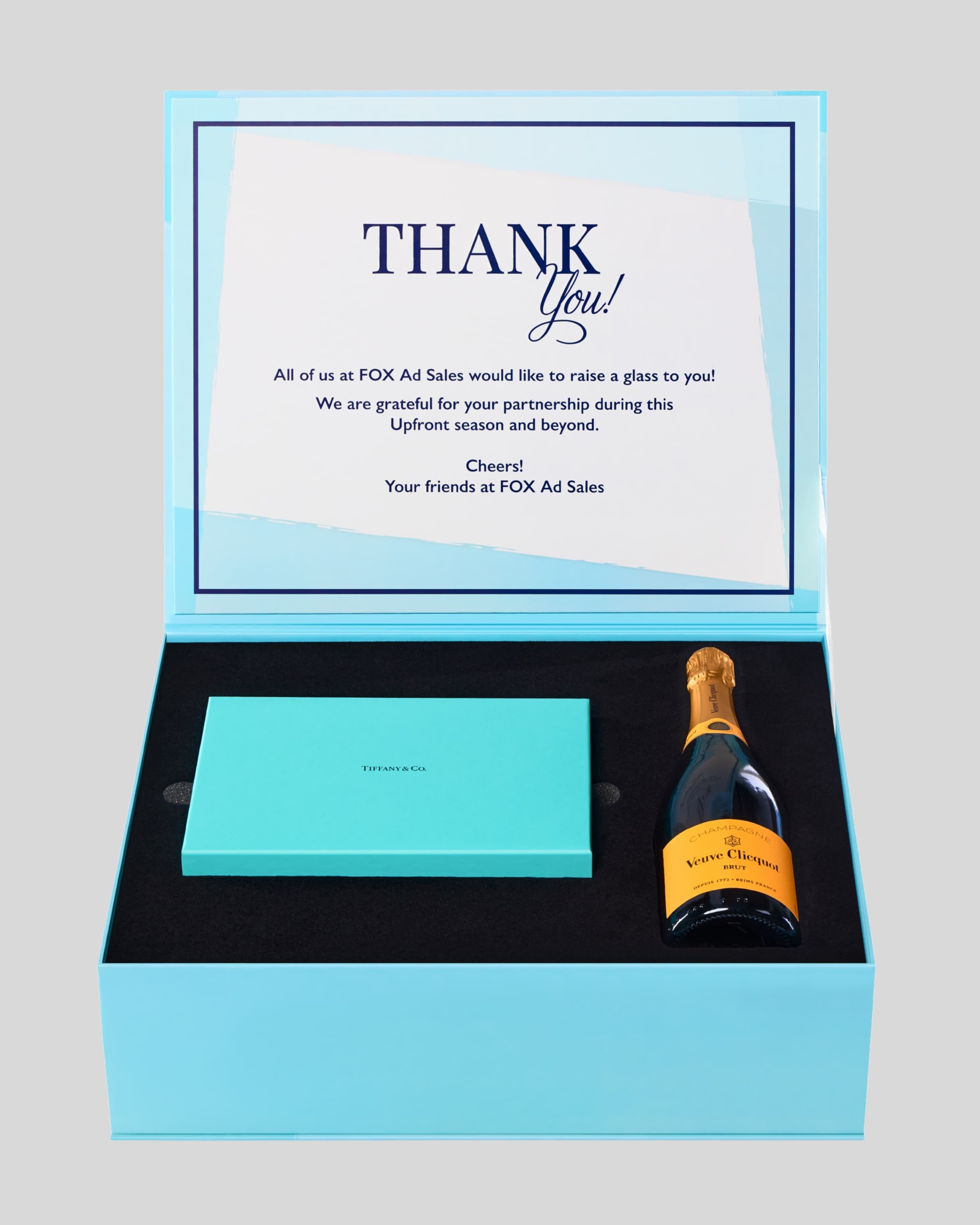
Packaging is the first thing a recipient experiences. It sets the tone before they see what's inside.
Designing the custom packaging around the gifts, rather than fitting gifts into a stock box, lets you control the presentation: what they see first, how each item is revealed and how everything stays in place during shipping. A custom box can also be something recipients keep, which extends the life of the gift.
Premium doesn't have to mean elaborate. Often the most elevated choice is a restrained one. Our point of view on luxury packaging explains why.
6. Plan personalization early
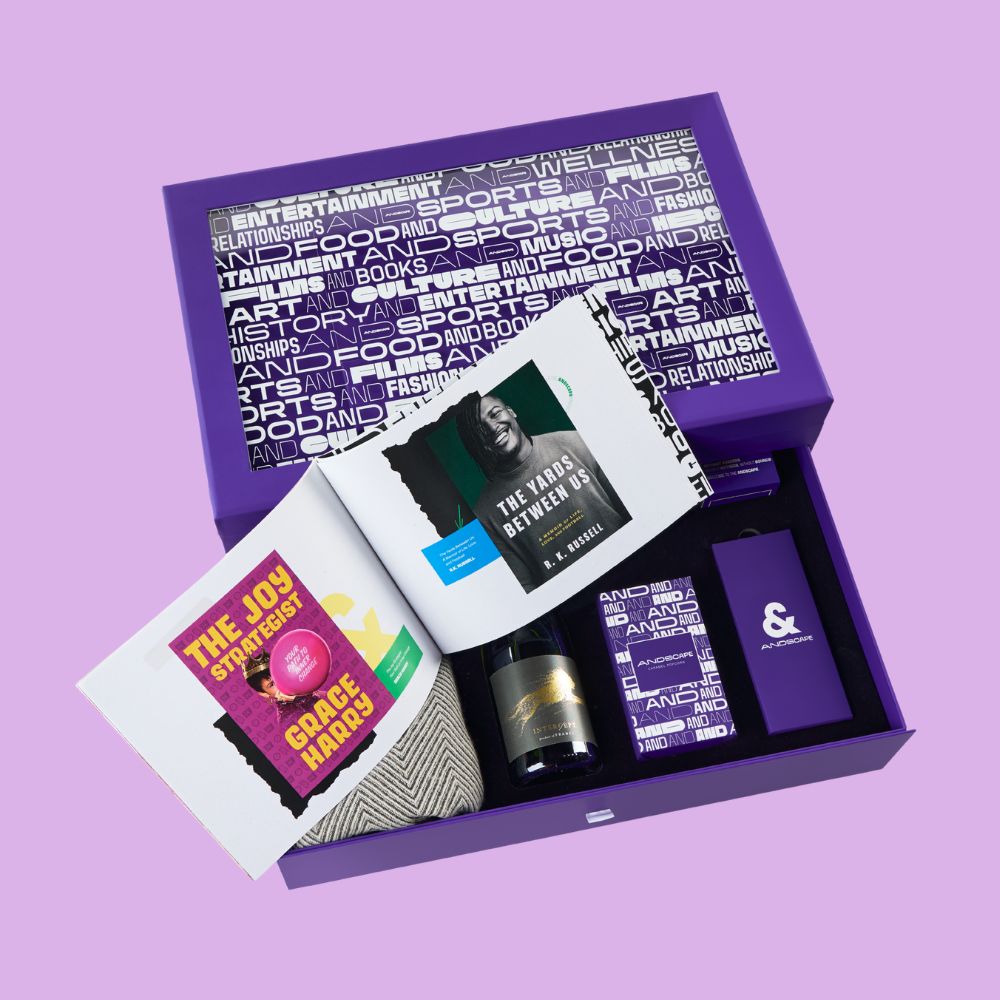
Personalization is one of the most effective ways to make a corporate gift feel considered. Depending on the project, it can include names, messages, engraving, printed components and other custom details.
It also needs planning. Personalized items depend on accurate recipient data, add production steps and have to be matched to the right person during assembly. The earlier the list is final, the smoother personalization goes.
A simple approach works well for many programs: personalize one meaningful element, such as a personal note or an engraved piece, rather than every item in the box.
7. Work back from the in-hand date
The date that matters is when recipients receive the gift, not when it leaves the building. Plan backward from there.
Standard production is approximately 14 business days after final approvals, but production is only one part of the timeline. Concept development, sourcing, sampling when needed, personalization, approvals, assembly and shipping all happen before or after it.
Holiday programs deserve extra lead time. Everyone is ordering at once, and carriers are busier. The earlier you start, the more options you'll have for products, packaging and delivery.
8. Decide how gifts will reach people
There are two basic delivery models, and the choice affects cost, timing and logistics.
Bulk delivery sends everything to one or a few locations, such as an office or an event, where gifts are handed out in person.
Individual fulfillment ships each gift directly to its recipient. It's increasingly common for distributed teams and client lists, and it depends entirely on a clean, accurate recipient list.
Some programs use both: bulk for the office, individual shipping for remote employees or key clients.
9. Decide between one-time and ongoing
A holiday gift might be a single send. Onboarding kits, employee anniversaries and client milestones happen all year.
For recurring moments, an ongoing program can save time. Gifts and packaging can be produced ahead, stored and fulfilled as they're needed, so each new hire or milestone doesn't start a project from scratch.
If you expect to send the same kind of gift repeatedly, plan it as a program from the beginning.
10. Common corporate gifting mistakes
Most gifting problems are planning problems. These come up again and again:
- Collecting addresses too lateThe list is often the last thing finished and the first thing that delays shipping.
- Starting with the logoBranded items people don't want rarely make a lasting impression.
- Changing the contents after packaging is designedSwapping products can mean new inserts, new box sizes and a new schedule.
- Oversizing the boxExtra space adds material and shipping cost without adding anything to the experience.
- Budgeting for the gift but not the deliveryPackaging, personalization, assembly and shipping are part of the program, too.
- Waiting until the season is already hereCompressed timelines narrow the options for products, packaging and personalization.
11. Your corporate gifting planning checklist
You don't need every answer before starting a conversation, but the more you know, the faster a program comes together. Here's what to gather:
- The occasionWhat the program is for and what you want recipients to feel.
- Recipients and quantityWho is receiving a gift, and roughly how many.
- TiersWhether some recipients should receive a different gift.
- Approximate budgetFor the whole program, including packaging and delivery.
- In-hand dateWhen gifts need to arrive, not just when they need to ship.
- Gift ideasProducts you love, products to avoid or a direction to explore.
- Branding and personalizationLogos, messaging, names or other custom details.
- DeliveryBulk to one location or individually to a recipient list.
- One-time or ongoingWhether this is a single send or a program that repeats.
Share what you have, and we'll help shape the rest—from the gift direction and packaging to personalization and delivery. When you're ready, start a gifting project.
Frequently asked questions
How far in advance should we plan a corporate gifting program?
As early as possible. Standard production is approximately 14 business days after final approvals, but concept development, sourcing, personalization, approvals, assembly and shipping all add time before and after production. For holiday programs, starting well ahead of the season keeps the most options open.
What is the minimum quantity for a corporate gifting program?
Most Salt & Pepper Gifts custom projects begin at approximately 50 units. Minimum quantities can vary depending on products, packaging and customization.
Can gifts be shipped to individual clients or employees?
Yes. Salt & Pepper Gifts provides individual fulfillment and can ship completed gifts directly to a provided recipient list, or ship in bulk to one location.
Can each gift be personalized?
Yes. Depending on the project, personalization can include names, messaging, engraving, printed components and other customized details.
Can you store gifts for an ongoing program?
Yes. For recurring programs, inventory can be stored and fulfilled as gifts are needed.
Do we need to choose the gifts before contacting you?
No. Product and merchandise sourcing can be part of the program, and we can help develop the gift direction around your recipients, occasion and budget.