Why custom packaging doesn't have one price
Ask what custom packaging costs and the only accurate answer is a question: what are we making?
The cost depends on the structure being built, how it's constructed, how many units are needed and what happens after manufacturing. Two boxes with nearly the same exterior dimensions can land far apart on a quote. One might be a printed mailer folded from a single sheet. The other might be a wrapped, hinged box with a multi-level interior, foil on the lid and hand assembly on every unit. Same footprint. Very different production.
This guide breaks down how custom packaging is actually priced—construction, quantity, dimensions, materials, inserts, tooling and time—so you can understand what makes one project more involved than another before you request a quote. If you're still exploring what's possible, start with our overview of custom packaging.
1. Box style and construction
The structure is the foundation of every packaging quote. It determines the materials, the number of components, the production steps and how much of the work happens by hand.
Corrugated mailers
Made from fluted board, corrugated mailers are comparatively light, hold up well on the road and take print on both the inside and outside. They're typically produced and shipped flat, then folded into shape, which keeps storage and freight efficient. They're often the most practical choice when packaging has to travel well and the program is large.
Rigid or turned-edge boxes
A rigid box starts with heavyweight board that is wrapped in printed or specialty paper, with the wrap turned over the edges. The result holds its shape and feels substantial, but it uses more material and more assembly than a folded structure—and because it doesn't ship flat, it takes up more space in storage and freight.
Folding cartons
Folding cartons are made from lighter paperboard, printed and die-cut flat, then folded and glued. They're common for retail products and individual items, and they tend to become more economical as quantities increase.
Two-piece boxes
A separate lid and base. Two-piece boxes can be built as rigid or lighter constructions, and details like lid depth, wall height and wrap coverage all change how much material each box uses.
Magnetic-closure boxes
A hinged box with magnets embedded in the lid and wall. The magnets are extra components that have to be placed precisely during assembly, which adds material and labor compared with a simple hinged lid.
Hinged or cigar-style boxes
An attached lid that opens like a book or a cigar box. The hinge is part of the wrap and construction, and these boxes are well suited to multi-product presentations that need to stay organized when opened.
Drawer-style boxes
An outer sleeve and a sliding tray. That's two components instead of one, each with its own material and assembly, plus tolerances that have to be right for the drawer to slide smoothly.
Telescoping boxes
A lid that slides partially or fully over the base. A full-telescope lid covers the entire base, which uses more material than a shallow lid but can add strength and a more considered reveal.
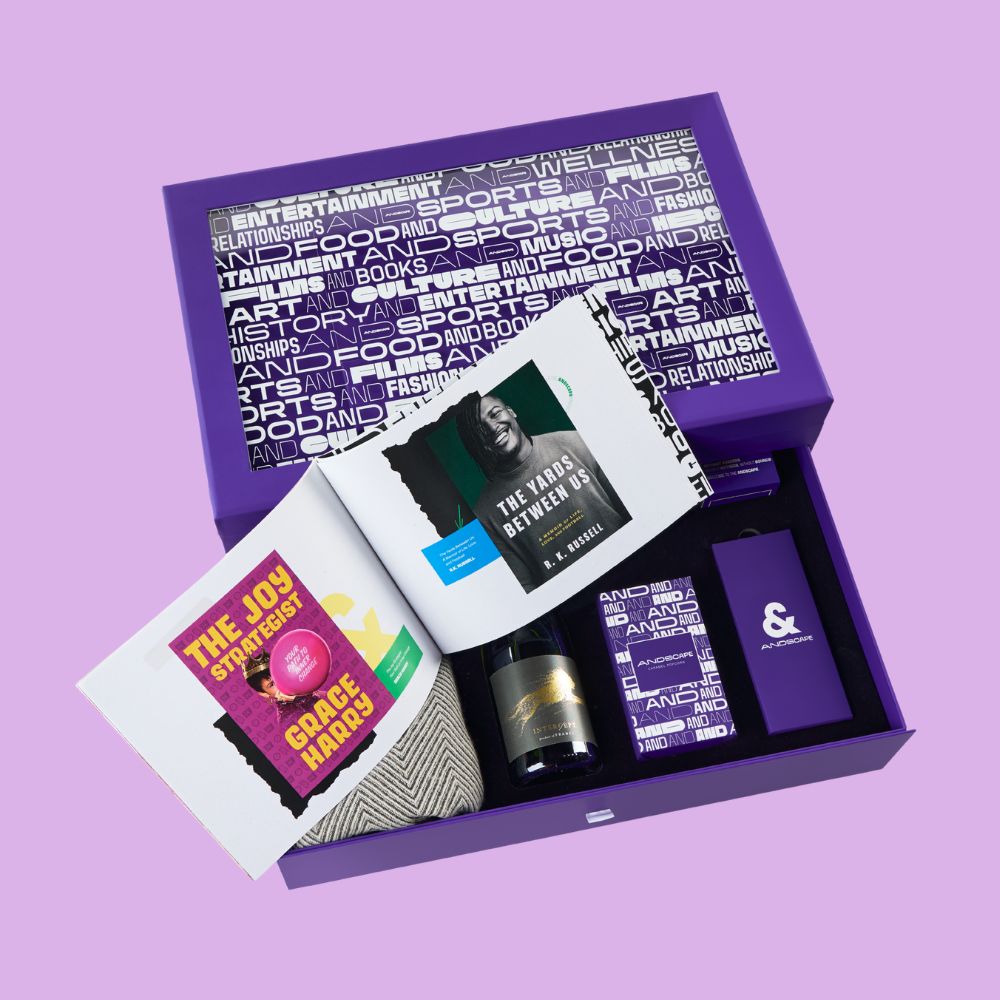
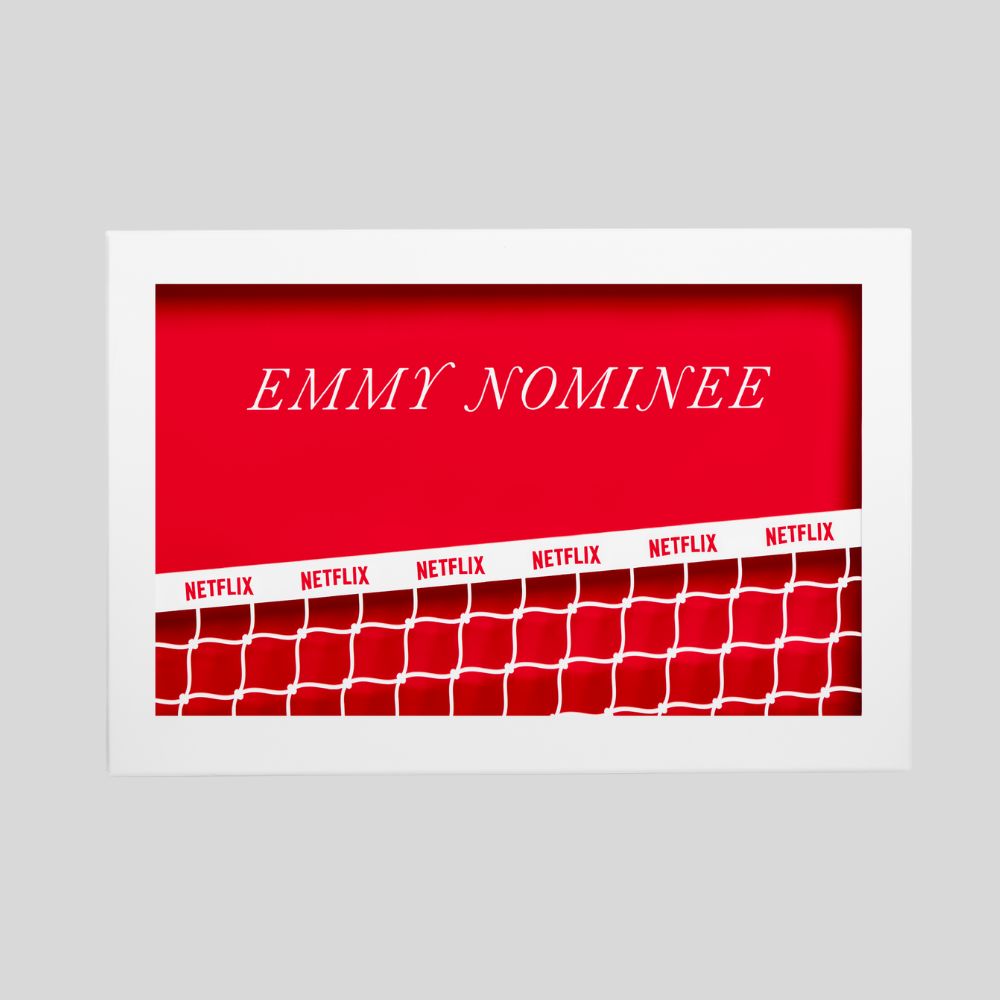
No style is better in the abstract. A corrugated mailer that arrives intact can serve a campaign better than a rigid box that's overbuilt for how it will be used. The right structure is the one that fits the contents, the experience and the way the packaging will travel.
2. Quantity and production method
Quantity shapes unit economics in two ways.
First, setup. Before production begins, a custom project may need structural engineering, dielines, cutting dies, print setup and proofing. Those costs are largely the same whether the run is small or large, so a smaller run spreads them across fewer units.
Second, method. Different production methods are suited to different volumes. Some processes need very little setup and work well for short runs. Others require more preparation but become more efficient as quantities grow. The same design can be produced differently at different quantities, and the right method changes the economics.
Assembly matters too. Many premium structures are assembled or finished by hand, and hand work scales with every unit rather than becoming cheaper per box.
Most Salt & Pepper Gifts custom projects begin at approximately 50 units. Minimums vary by packaging style, production method and project requirements—not every construction or finish is available at that quantity.
3. Box dimensions and dimensional weight
Size affects cost well beyond the box itself. A larger structure consumes more board and wrap, needs a larger insert and takes more room on every pallet and shelf.
Shipping is where oversized packaging gets expensive. Carriers often price by dimensional weight, which accounts for the space a package occupies as well as its actual weight. A lightweight box that's bigger than it needs to be can cost more to ship, on every freight load and on every individual shipment.
That's why we design around the actual contents. When the interior is planned first, the box ends up the size the products need rather than a standard size with empty space to fill.
4. Materials and finishes
Materials and finishes are where packaging gets its personality, and where budgets can quietly expand. Each of these can add material, a production step, setup or tooling:
- Specialty papersTextured, colored or tactile papers change the look and feel, and some cost more or require longer lead times than standard stocks.
- Soft-touch finishesA velvety laminate applied to printed surfaces; it's an additional production step.
- Foil stampingMetallic or pigmented foil applied with heat and pressure, which typically requires its own die for each design.
- Spot UVA glossy coating applied to specific areas for contrast, adding another pass in production.
- Specialty printingPrinted interiors, special colors or unusual print methods can add setup and production time.
- Fabric or textured interiorsLining materials that change the tactile experience and often the assembly process.
- HardwareMagnets, ribbon pulls, closures and other components that must be sourced and installed.
- Acrylic or specialty componentsLaser-cut or fabricated elements that add their own materials, tooling and assembly steps.
A well-designed box doesn't need every finish available. The right materials support the brand and the experience; the wrong ones compete with each other and with the product. Our point of view on luxury packaging comes down to this: restraint is often what makes packaging feel premium.
5. Custom packaging inserts
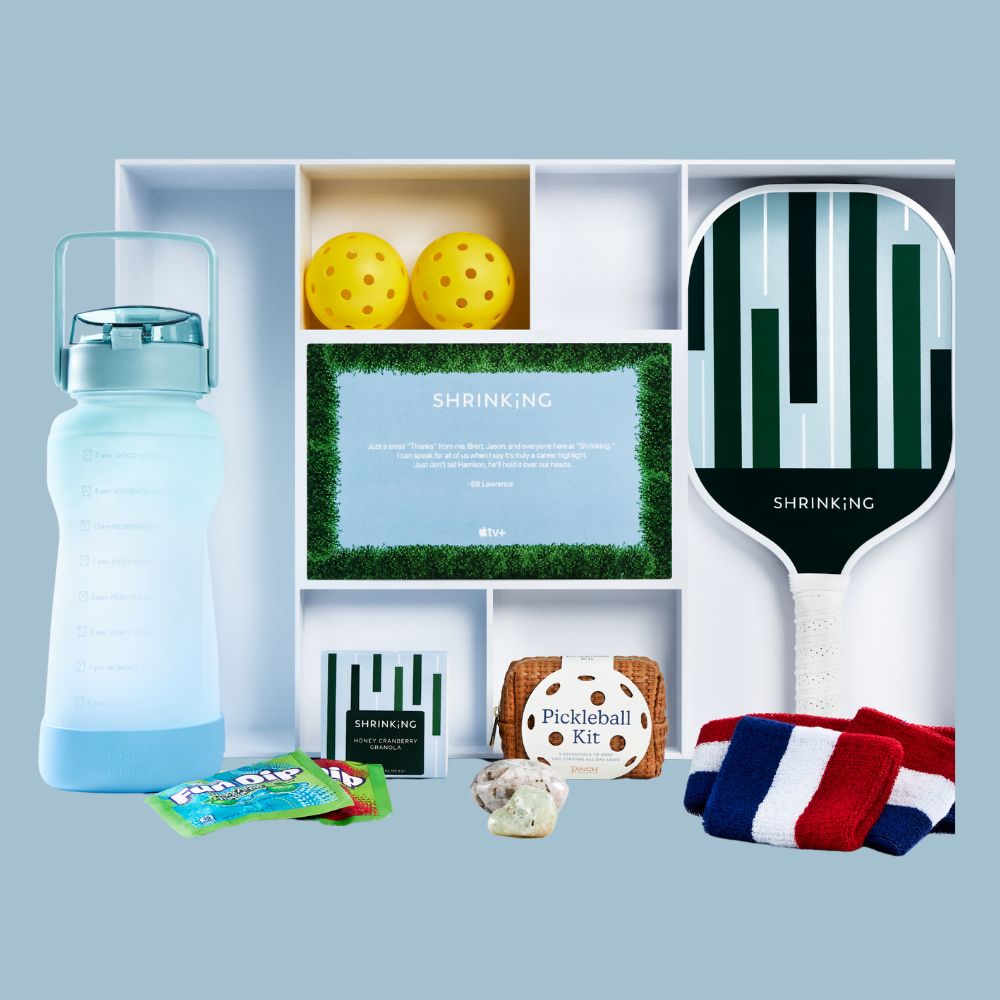
A simple insert holds a single product in place. An engineered interior organizes several products of different shapes, controls what the recipient sees first and keeps everything secure in transit. The difference in design time, materials and tooling can be significant.
Interior options include die-cut inserts, foam, paperboard trays, dividers, compartments, platforms, inverted boxes and multi-level structures. Each has its place.
Foam isn't automatically the best or most economical choice. Depending on the products, a paperboard structure can hold items just as securely, match the printed packaging and support a more intentional reveal. The insert should be designed around the actual products and the way you want them discovered. See how we approach custom packaging inserts.
6. Tooling, sampling and prototyping
Custom structures often need custom tooling. A cutting die cuts and creases a specific box or insert shape. Foil stamping and embossing generally need their own dies as well. These are usually one-time costs for a given design, which is another reason setup weighs more heavily on smaller runs.
Engineering comes before tooling. The structure has to be drawn, tested against the products and refined before anything is cut.
Sampling is how that engineering gets confirmed, and it comes in different forms:
White structural samples. An unprinted version of the box that confirms size, construction and product placement. Depending on the project, we may create one before production.
Printed or fully finished samples. A sample that shows the final artwork and finishes. This is a separate step from structural sampling, and whether it makes sense depends on the project.
Not every project needs every kind of sample. The goal is to confirm what's uncertain before production, not to add steps for their own sake.
7. Why finalizing the contents matters
If there's one lesson in this guide worth underlining, it's this one.
Packaging is engineered around the products inside it. When a product changes after that engineering is done—a new bottle, a different size, an extra item—the change doesn't stay small. It travels through the entire project:
- Box dimensions
- Insert design
- Structural engineering
- Material requirements
- Sampling
- Production schedule
- Budget
The box may need new dimensions. The insert may need to be redesigned. The structure may need to be re-engineered and the material quantities recalculated. A new sample may be required, the production schedule can shift and all of it can affect the budget.
Lock the contents first. It's the most reliable way to protect the schedule and the budget at the same time.
8. Production timeline
Time is a cost factor too. A comfortable schedule leaves room to choose the best materials and methods. A compressed one can limit those options or require faster, more expensive approaches—and some projects simply can't be completed in the time available.
Standard production is approximately 14 business days after final approvals, depending on project requirements. That's the manufacturing window, not the complete timeline. Creative development, engineering, sourcing, sampling, approvals, assembly, freight, fulfillment and shipping all happen before or after it.
The earlier you share your in-hand date, the more options stay open.
9. The costs beyond the empty box
It's natural to compare packaging quotes box to box. But the manufacturing cost of an empty box is often only one part of what a project actually requires:
An empty-box quote
- Manufacturing the box
A complete project may also include
- Structural design
- Sourcing
- Customization
- Inserts
- Tooling
- Sampling
- Assembly
- Warehousing
- Freight
- Fulfillment
- Recipient shipping
Comparing a box-only price with a complete project quote isn't comparing like with like. Consider the full scope when you set a budget. For campaign-specific costs like product sourcing and shipping to individual recipients, see how much a custom PR box costs.
10. How to make custom packaging more cost-effective
Cost-effective doesn't mean cheap-looking. It means putting the budget where it creates the most value. A few decisions make the biggest difference:
- Finalize contents earlyThe single most effective way to avoid rework.
- Choose the appropriate box styleMatch the construction to how the packaging will be used, shipped and kept.
- Avoid unnecessary sizeSmaller, well-planned boxes save on material, storage and shipping.
- Use simpler structures where appropriateNot every presentation needs a drawer, magnets or multiple levels.
- Prioritize the hero productInvest where attention naturally goes, and let supporting pieces stay simple.
- Be selective with specialty finishesOne well-placed finish usually does more than several competing ones.
- Consider shipping during designDimensions and weight decided early can prevent surprises later.
- Set a realistic budget before creative developmentA budget shared up front shapes a concept that can actually be produced.
11. What to include when requesting a custom packaging quote
The more complete the picture, the more accurate the estimate. Helpful details include:
- QuantityHow many finished units you need.
- Desired in-hand dateWhen the packaging needs to arrive.
- Approximate total project budgetA working number or range for everything, not just the box.
- Contents and product dimensionsWhat goes inside, with measurements or physical samples.
- Packaging referencesExamples, renders, mood boards or brand assets.
- Desired materials or finishesAnything you already know you want—or want to avoid.
- Shipping destinationsOne location, several, or individual addresses.
- Sourcing requirementsWhether any products or components need to be sourced.
- Assembly and fulfillmentWhether finished units need to be packed and shipped.
You don't need every answer before reaching out. Share what you know, and we'll help work through the rest—from structure and materials to production and fulfillment. When you're ready, request a custom estimate, or see how we approach custom PR boxes if your packaging is part of a campaign.
Frequently asked questions
Why is custom packaging quoted per project instead of per box?
Because the box is only part of the cost. Structural design, tooling, sampling, materials, finishes, inserts and assembly all depend on the specific project, and setup costs are spread across the quantity ordered. A per-project quote reflects all of those factors together.
What is the minimum order for custom packaging?
Most Salt & Pepper Gifts custom projects begin at approximately 50 units. Minimums vary depending on packaging style, production method and project requirements, and some constructions or finishes may require higher quantities.
What is a cutting die, and why would my packaging need one?
A cutting die is custom tooling used to cut and crease a specific structure or insert. Custom shapes, windows and die-cut inserts often require one, and it's typically a one-time setup cost for that design.
What's the difference between a white sample and a printed sample?
A white structural sample is an unprinted version of the box used to confirm size, construction and product placement. A printed or fully finished sample shows the final artwork and finishes. Depending on the project, one, both or neither may be appropriate.
Do specialty finishes always increase the cost?
Most specialty finishes add a production step, and some require their own setup or tooling. How much they affect the budget depends on the finish, where it's applied and the quantity being produced.
How does box size affect shipping costs?
Carriers often price packages by dimensional weight, which accounts for size as well as actual weight. A box that's larger than it needs to be can cost more to ship every time, even if the contents are light.
How long does custom packaging production take?
Standard production is approximately 14 business days after final approvals, depending on project requirements. Design, engineering, sampling, sourcing, approvals, assembly and shipping add time before and after production.