Foam isn't the default
Ask how products should sit inside a box and the first answer is usually foam. Sometimes that's right. Often it isn't.
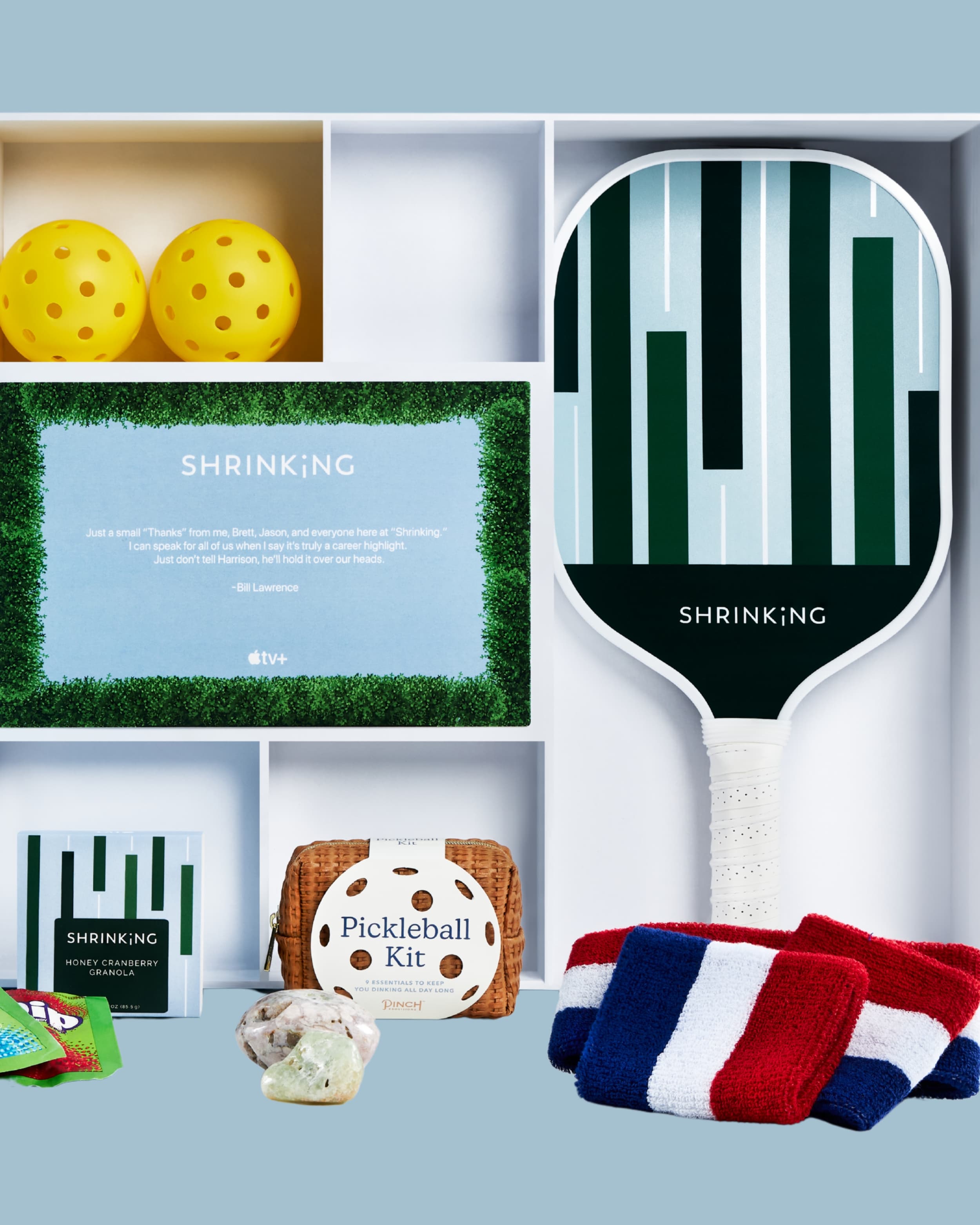
Foam is a genuinely good solution for fragile, heavy or precisely shaped items. But it's neutral by nature: it holds things still without adding anything to the experience. A structural insert—trays, compartments, platforms and die-cut paperboard engineered around the products—can hold items just as securely while carrying print, color and a sense of sequence.
This guide compares the two honestly, so you can pick based on the products rather than habit. For the full range of interior options, see custom packaging inserts.
1. What foam does well
- Fragile itemsGlass, ceramics and electronics that need genuine shock absorption.
- Heavy productsWeight that would crush or deform a paper structure in transit.
- Precise, irregular shapesContoured cavities that hold an unusual form exactly.
- A snug, silent fitNo movement and no rattle, which matters for high-value items.
- Repeated handlingKits that will be opened, closed and shipped more than once.
2. What structural inserts do well
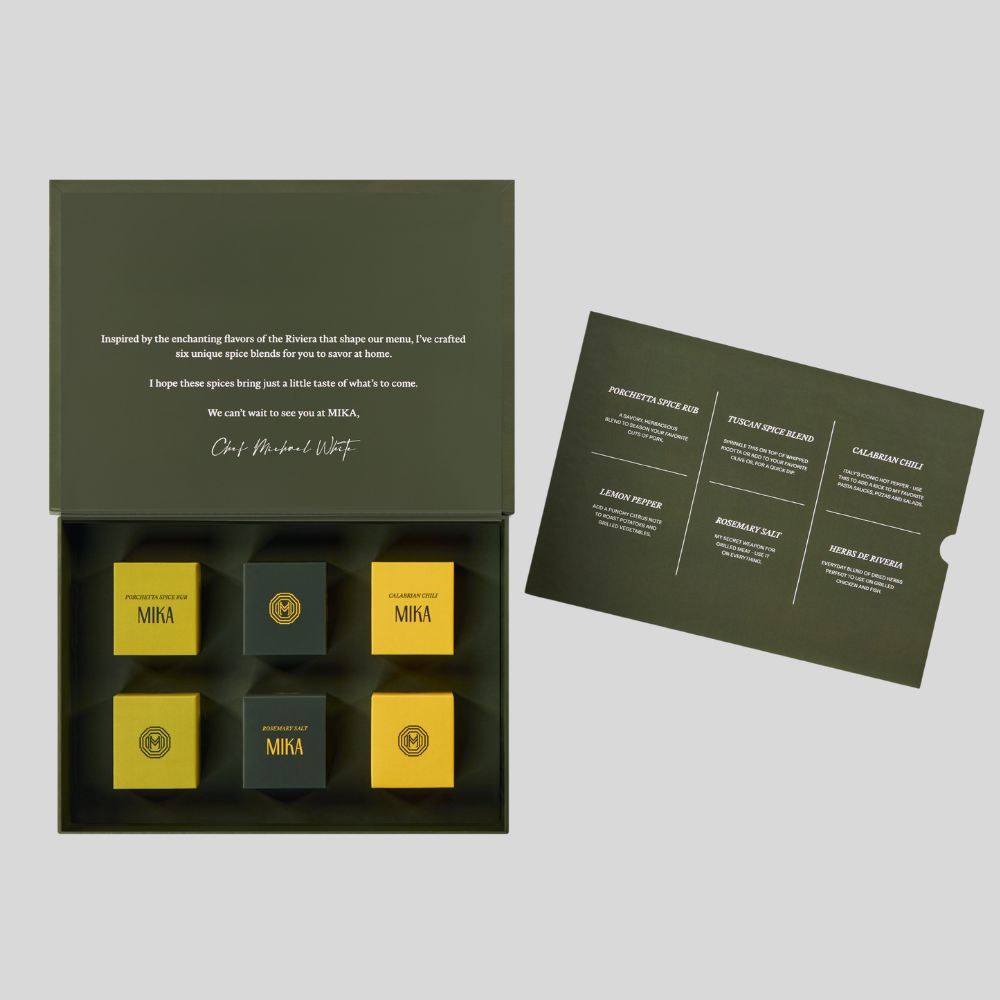
- Multiple products togetherTrays and compartments organize a set and create hierarchy.
- A printed interiorColor, pattern and messaging continue inside the box.
- A controlled revealLayers, lift-out trays and hidden compartments stage what's seen first.
- Lighter, tighter packagesStructures can hug the products, keeping the box and the shipping cost down.
- A cohesive lookThe interior is made from the same family of materials as the box.
3. Side by side
| Foam | Structural insert | |
|---|---|---|
| Best for | Fragile, heavy or precisely shaped products | Multiple products, presentation-led kits |
| Printing | Not typically printed | Can be printed in full color |
| Presentation | Neutral, functional | Part of the design and the reveal |
| Cushioning | Excellent, absorbs shock | Good when engineered around the products |
| Tooling | May need its own die or mold | Usually die-cut alongside the packaging |
| Weight | Light but bulky | Light and compact |
| Recyclability | Depends on the material and local facilities | Paper-based structures are widely recyclable |
4. The cost question
Neither option is automatically cheaper, which surprises people.
Foam may require its own tooling to cut cavities, plus material that's priced separately from the box. A structural insert is typically die-cut from the same family of materials as the packaging and produced alongside it, though a complex multi-level structure takes more engineering and material than a simple foam pad.
What usually decides it is the product and the quantity, not the category. Our guide to what custom packaging costs covers how tooling and setup spread across a run.
5. Presentation and unboxing
This is where structural inserts pull ahead.
A printed tray continues the design inside the box. A lift-out layer creates a second moment. A platform raises the hero product so it's the first thing seen. Foam can hold products beautifully, but it rarely contributes to the story.
For packaging that gets filmed—influencer mailers, press kits, launch sends—that difference shows up on camera.
6. Protection in transit
Protection isn't only about cushioning. It's about preventing movement.
A product held snugly by a well-engineered structure often travels better than one sitting in a cavity that's slightly too generous. Where genuine shock absorption is needed—glass, ceramics, electronics—foam is hard to beat.
The packaging around the insert matters too: how the box closes, whether it ships inside an outer carton and how much the contents can shift. See rigid box vs. corrugated mailer for how construction affects that.
7. Using both together
These aren't mutually exclusive. A printed paperboard tray can present the kit while a foam cavity underneath cradles the one fragile item that needs it.
That combination is often the most practical answer: presentation where it's seen, protection where it's needed.
8. Questions that usually decide it
- What's going inside?Fragile and heavy leans foam. Mixed products lean structural.
- Will the interior be seen?If it's part of the unboxing, a printed structure earns its place.
- How is it shipping?Individually shipped kits take more handling than a bulk pallet.
- How many units?Quantity affects tooling, materials and which approach is efficient.
- Is it meant to be kept?Keepsake packaging usually deserves an interior that looks finished.
- What's the budget priority?Protection, presentation or unit cost—usually one leads.
We don't default to foam. We decide based on the products, the presentation, the shipping requirements and the budget.
Send us the products or their dimensions and we'll recommend an interior built around them.
Frequently asked questions
Is foam always the best way to protect a product?
No. Foam is excellent for fragile, heavy or precisely shaped items, but paperboard structures, trays and compartments can hold many products just as securely while contributing to the presentation.
Which is cheaper, foam or a structural insert?
It depends on the product and quantity. Foam may need its own tooling and material, while a structural insert is usually produced alongside the packaging. Neither is automatically less expensive.
Can a structural insert be printed?
Yes. That's one of its advantages. A paperboard structure can carry printing, color and messaging, so the interior becomes part of the design rather than a neutral filler.
Can foam and structural inserts be combined?
Yes. A common approach is a printed paperboard tray for presentation with foam supporting one fragile item that needs it.
Do inserts affect the size of the box?
Yes. The interior structure determines the internal dimensions, which set the outer dimensions—and those affect material use and shipping cost.
Can the insert be tested before production?
Depending on the project, a structural sample can be created to confirm fit, placement and how easily products come out.