There's no universal price for a custom PR box. We're asked for one all the time, and we understand why—there's a launch date, a budget line and a team waiting on a number.
But two boxes that look almost identical in a rendering can cost very different amounts to produce. One might be a printed corrugated mailer with a simple insert. The other might be a wrapped rigid box with a magnetic closure, a multi-level interior, sourced products and individual shipping to hundreds of addresses. On a mood board they can look like the same idea. On a production schedule, they're completely different projects.
This guide walks through what actually moves the cost of a custom PR box, the expenses that tend to get left out of early budgets and how to put together a request that gets you an accurate quote quickly. If you're still defining the campaign itself, our overview of PR kits and press mailers is a good place to start.
What determines the cost of a custom PR box?
Every quote we build starts from the same set of variables. Some are obvious. A few aren't.
Packaging construction and box style
The construction sets the baseline. A corrugated mailer, a folding carton, a two-piece rigid box, a magnetic closure box and a drawer box each involve different materials, different amounts of hand work and different production steps. A rigid box is built from heavy board and wrapped, which takes more material and labor than a mailer that ships flat and folds into shape.
Quantity and production method
Quantity affects more than the total. It also determines which production methods make sense. Some printing and converting processes are efficient on small runs, while others only become economical at higher volumes—which is why the same box can carry a noticeably different per-unit cost at 100 units than at 1,000.
Box dimensions
Size drives material use, insert size, how many boxes fit in a shipping carton and what each package costs to send. A box that's an inch or two larger in every direction uses more board and wrap, and that difference repeats on every unit and every shipment. Size is one of the easiest places for cost to creep in unnoticed.
Materials and specialty finishes
Specialty papers, soft-touch lamination, foil stamping, embossing, debossing, spot UV, fabric and custom hardware each add material cost, setup or both. A finish can be worth every penny when it's doing real work in the presentation. It's harder to justify when it's there simply because it was available.
Custom inserts and interior engineering
The interior is its own component with its own cost. A simple die-cut insert is a different project from a multi-level structure with compartments, platforms or a hidden section. The more precisely an insert has to hold products of different shapes, the more engineering and material it takes. See how we approach custom inserts.
Product sourcing and customization
If the box includes merchandise, promotional items or custom products, those belong in the budget too—and they're often a significant part of it. Custom merchandise can come with its own minimums, decoration methods and lead times.
Sampling, dies and tooling
Custom structures typically require cutting dies, and some finishes need their own plates or tooling. Depending on the project, we may create a white structural sample to confirm size, construction and product placement before production. These are front-end costs, which is one reason they weigh more heavily on per-unit pricing at lower quantities.
Assembly and fulfillment
Someone has to put every box together. Packing a single product is quick. Assembling a kit with a layered interior, printed pieces and several products placed in a specific order takes real time, and that labor is multiplied across every unit.
Freight and recipient shipping
There are two kinds of shipping to plan for: moving components and finished goods where they need to go, and sending each finished box to its recipient. Individual shipments are priced per package, and box size and weight affect every one of them.
Production timeline and rush requirements
Standard production is approximately 14 business days after final approvals. The full project—concept, structural design, sampling, sourcing and fulfillment—takes longer than production alone. When an in-hand date is tight, compressing the schedule can narrow material and construction options or add cost. Sharing your date at the very start gives everyone the most room to work.
Corrugated vs. rigid PR boxes
Corrugated and rigid are the two constructions we're asked about most, and they're built very differently.
A corrugated mailer is made from fluted board. It's comparatively lightweight, holds up well in transit and can be printed inside and out. Mailers generally ship flat until they're assembled, which helps with storage and freight.
A rigid box is built from heavyweight board wrapped in printed or specialty paper. It holds its shape, feels substantial in the hand and supports structures like hinged lids, magnetic closures, drawers and elaborate interiors. That construction usually means more material, more labor and more freight volume, since a finished rigid box doesn't ship flat.
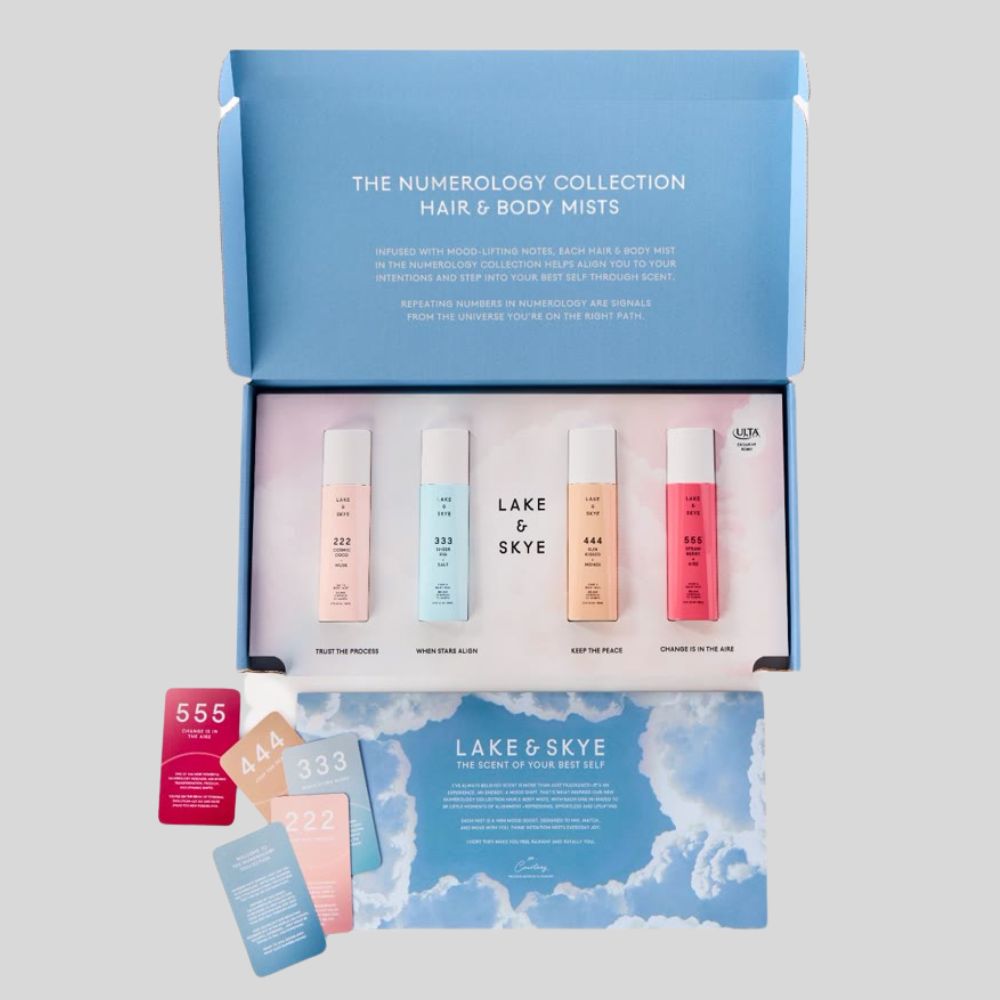
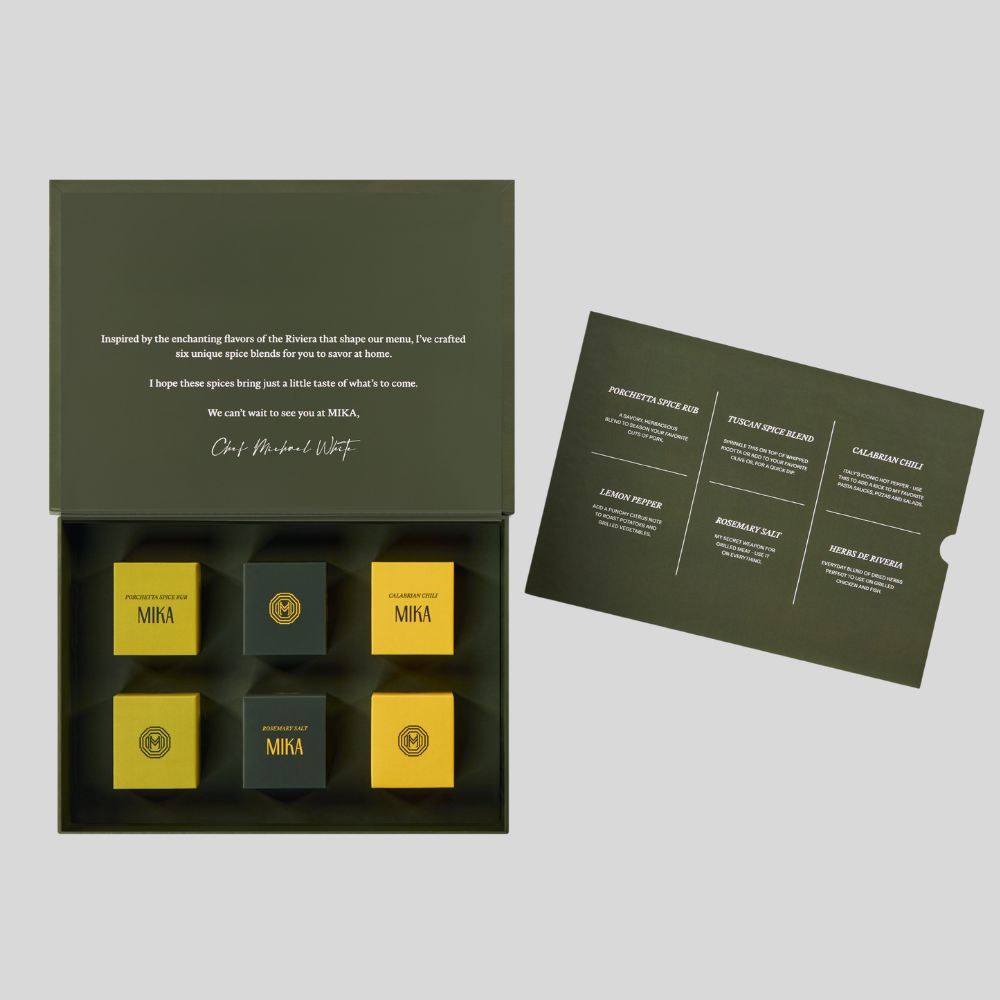
Neither construction is automatically the right choice. A corrugated mailer can be exactly right for a creator send where durability and cost matter most. A rigid box earns its cost when the packaging is part of the experience and meant to be kept. The strongest campaigns choose the construction that fits the moment, not the most expensive one on the list.
Why quantity changes the price per box
Every custom box project carries costs that exist whether you make 50 boxes or 5,000: structural design, dies, tooling, setup, proofs and, when the project calls for it, samples. At lower quantities, those fixed costs are divided across fewer units, so each box carries more of them. As quantities grow, the same costs spread further and production itself becomes more efficient.
That's why it helps to keep two numbers separate. The per-unit cost tells you what each box costs. The total project budget tells you what the campaign costs. A lower per-unit price at a higher quantity isn't a saving if you only need half the boxes.
Most Salt & Pepper Gifts custom projects begin at approximately 50 units. Minimums vary depending on packaging style, production method and project requirements.
Why the contents should be finalized before the box
This is the part of the process we're most insistent about.
The products determine the box. Their dimensions, weight and orientation set the interior layout, which sets the insert, which sets the outer dimensions—and those drive material, carton counts and freight. If a product changes size after the structure is engineered, the insert may no longer fit, and the box, the insert and sometimes the shipping plan all have to be revisited.
That's why we prefer to work from physical products or accurate production samples before final structural engineering begins. Measurements are useful, but they don't always capture a bottle's shoulder, a cap that sits proud or an item that needs room for fingers to lift it out.
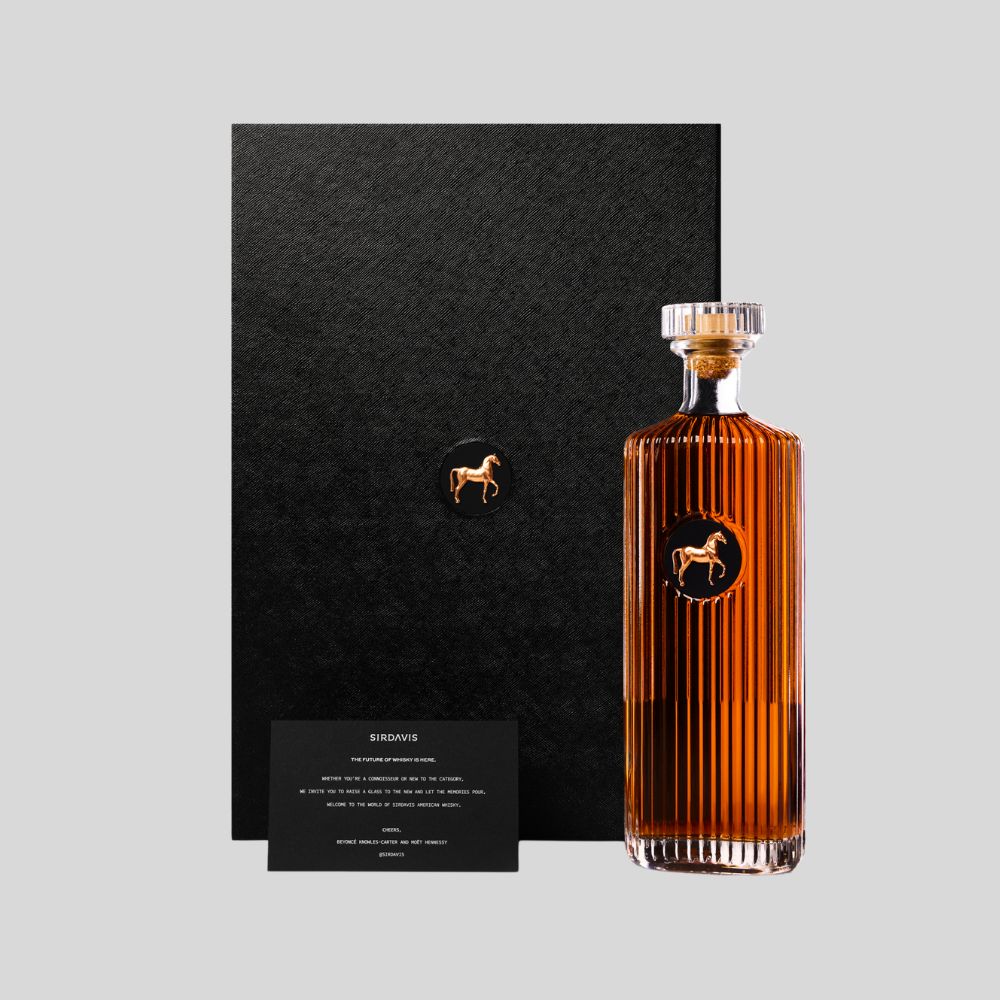
Finalizing the contents first is one of the most effective ways to protect both your timeline and your budget.
The costs brands often forget
When a PR box budget goes sideways, it's rarely because of the box. It's usually everything around it. When you're setting a number internally or comparing quotes, make sure these are accounted for:
- Custom insertsThe interior is usually priced separately from the outer box.
- Dies and toolingOne-time setup for custom structures and some finishes.
- Samples and prototypesWhen the project calls for them.
- Sourced productsThe merchandise and custom items that go inside.
- Assembly laborKitting every unit, often by hand.
- WarehousingWhen kits or components need to be stored before they ship.
- FreightMoving components and finished goods.
- Individual recipient shippingOne package, one address, one shipping cost.
- Rush productionWhen the schedule requires it.
A quote for an empty box can look very attractive next to a quote for a finished, packed and shipped PR kit. They're not the same thing, and comparing only the price of the box is one of the most common ways a budget ends up short.
How to build a smarter PR box budget
A good budget isn't the biggest one. It's the one spent where it shows.
Spend where the recipient will notice. The first impression when the lid comes off, the hero product and the one detail people photograph usually matter more than a finish on a surface nobody looks at.
Design around the hero product. When one item is clearly the star, the structure and interior can support it instead of giving every piece equal weight—which often simplifies the box.
Keep the box the size it needs to be. Extra space rarely makes packaging feel more premium, but it always costs more in material and shipping.
Choose the construction that fits the campaign. A rigid box for a keepsake moment, a corrugated mailer for a durable send. Matching construction to purpose is where the biggest savings usually live.
Prioritize the experience. Luxury doesn't automatically mean more materials, more compartments or more decoration. Often the most elevated version is the most edited one.
What to include when requesting a quote
You don't need a finished concept to ask for a quote. But the more of this you can share, the faster and more accurate the estimate will be:
- QuantityHow many finished boxes you need.
- Desired in-hand dateWhen recipients need to have them.
- Approximate total budgetA working number or range for the whole project.
- Products being packagedWhat's going inside.
- Product dimensionsOr physical samples, if you have them.
- Creative referencesRenders, mood boards, campaign assets or a rough idea.
- Shipping destinationsOne location in bulk, or individual recipients.
- Sourcing and fulfillmentWhether you need us to source products and ship kits.
If some of these are still open, that's normal. Tell us what you know and we'll help with the rest. When you're ready, start your estimate—or see everything that goes into our custom PR boxes, from structure to fulfillment.
Frequently asked questions
How much does a custom PR box cost?
There's no single price. Cost depends on quantity, box construction, dimensions, materials, finishes, inserts, products, tooling, assembly and fulfillment. Salt & Pepper Gifts quotes each project based on its complete scope.
What is the minimum quantity for custom PR boxes?
Most Salt & Pepper Gifts custom projects begin at approximately 50 units. Minimums vary depending on packaging style, production method and project requirements.
Is a rigid box more expensive than a corrugated mailer?
Generally, yes. Rigid boxes use heavier board, more material and more hand work, and they don't ship flat. Corrugated mailers are usually lighter and more cost-efficient. The right choice depends on the products, quantity, budget, shipping requirements and the experience you want to create.
Why is the price per box higher at lower quantities?
Setup costs such as structural design, dies, tooling and samples are spread across fewer units. As quantities increase, those fixed costs are divided across more boxes.
Do I need a sample before production?
It depends on the project. Salt & Pepper Gifts may create a white structural sample to confirm size, construction and product placement before production.
Can the quote include assembly and shipping to recipients?
Yes. Salt & Pepper Gifts can assemble finished kits and ship them individually to a provided recipient list. When fulfillment is part of the scope, it's included in the quote.
How long does production take?
Standard production is approximately 14 business days after final approvals. Concept development, structural engineering, sampling, sourcing and fulfillment happen outside that window, so the complete project timeline is longer.