Why some mailers get opened on camera
A creator's doorstep is a crowded place. Most packages get opened off camera, if they get opened at all.
The ones that make it into content usually have something in common: they arrived at the right moment, they were clearly meant for that person, and opening them was worth filming.
None of that happens by accident. It comes from planning the campaign as a whole—the list, the products, the packaging, the timing and the delivery—rather than choosing a box and filling it. This guide walks through that process step by step. When you're ready to build one, here's how we approach custom influencer mailers and seeding kits.
1. Start with the goal
"Send mailers" isn't a goal. What do you want to happen because these went out?
- Product launchGetting a new product into the right hands before or alongside the announcement.
- SeedingPutting products with creators for discovery and organic content, without a fixed deliverable.
- Brand momentAnniversaries, rebrands, collections or collaborations worth marking.
- Event or premiereMailers timed to a screening, show, opening or tour date.
- Ongoing giftingA rolling program that reaches creators as they're added.
The answer shapes everything downstream: who receives a kit, what goes inside, how personal it gets and when it needs to land.
2. Build the creator list early
The list is the hardest part of the campaign to rush, and the easiest to start early.
Beyond names, you'll need current shipping addresses and, for many categories, details that shape what goes in the box: sizes, shades, preferences, allergies or restrictions. Some creators ship to a management company rather than a home address. Gathering all of that takes time, and it often runs through people outside your team.
It's also worth deciding whether everyone receives the same kit. Many campaigns use tiers: a more elaborate version for a small group and a streamlined version for a wider list.
Start collecting addresses the week you start planning. The list is almost always the last thing to arrive.
3. Decide what goes inside
A good mailer isn't a sampler of everything you make. It's a small, deliberate set of things that support one idea.
- The hero productThe one thing the campaign is actually about. Everything else supports it.
- Supporting piecesItems that help the hero product be used, styled, worn or tasted.
- Something to keepA piece with a life beyond the post, which is often what earns a second mention.
- The informationWhat it is, why it's different and anything a creator needs to talk about it accurately.
- A personal touchA note or personalized element that makes clear this went to them, not to a list.
If products need to be sourced, customized or produced, that runs on its own schedule alongside the packaging—another reason to settle the contents early.
4. Design for the unboxing, not the shelf
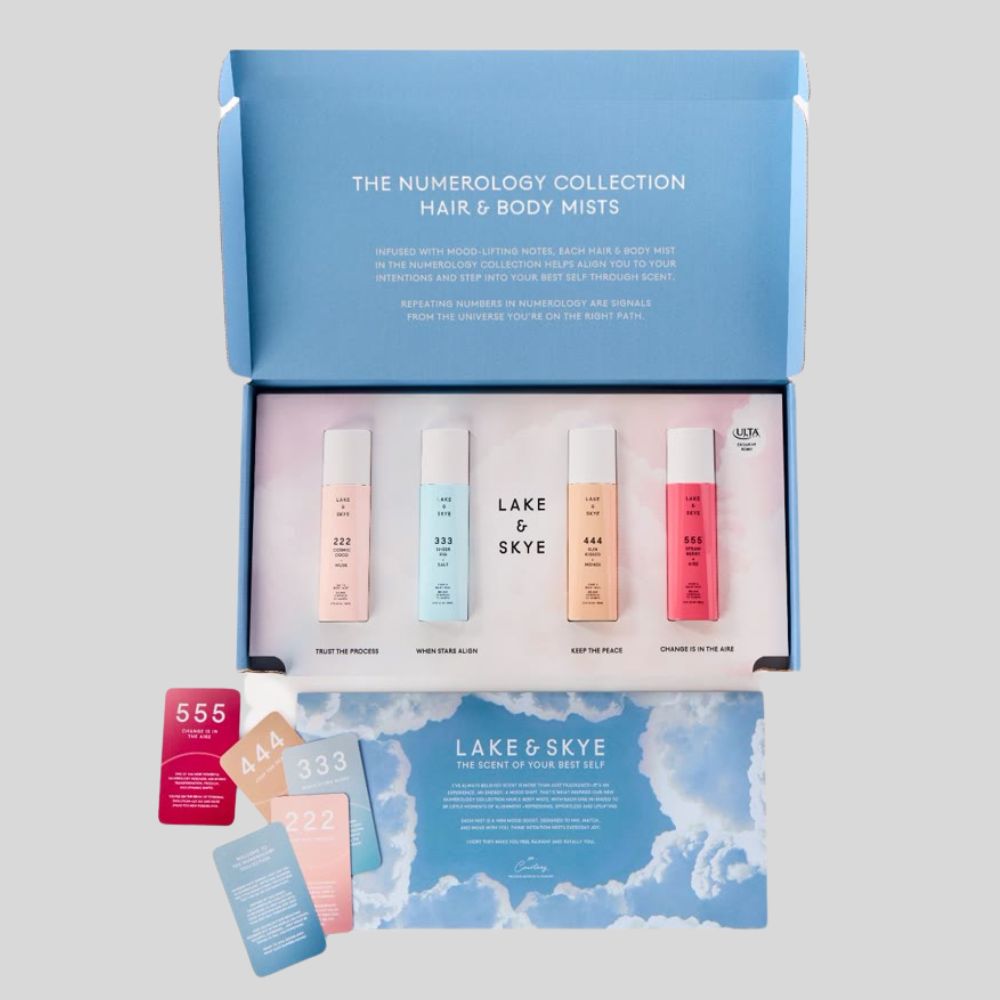
An influencer mailer is, in practice, a piece of content. It will be filmed, photographed and cropped—often in poor lighting, usually in one take.
That changes how packaging should be designed. Color and contrast read on camera. Texture and weight come through when someone handles the box. The order of the reveal matters: what they see when the lid comes off, what's underneath, what's last. A structure that opens cleanly on the first try is worth more than one that needs explaining.
It also has to survive the trip. A kit that photographs beautifully but arrives shifted around has already lost. That's what custom inserts are for: holding everything exactly where it was meant to be.
5. Personalize the part that counts
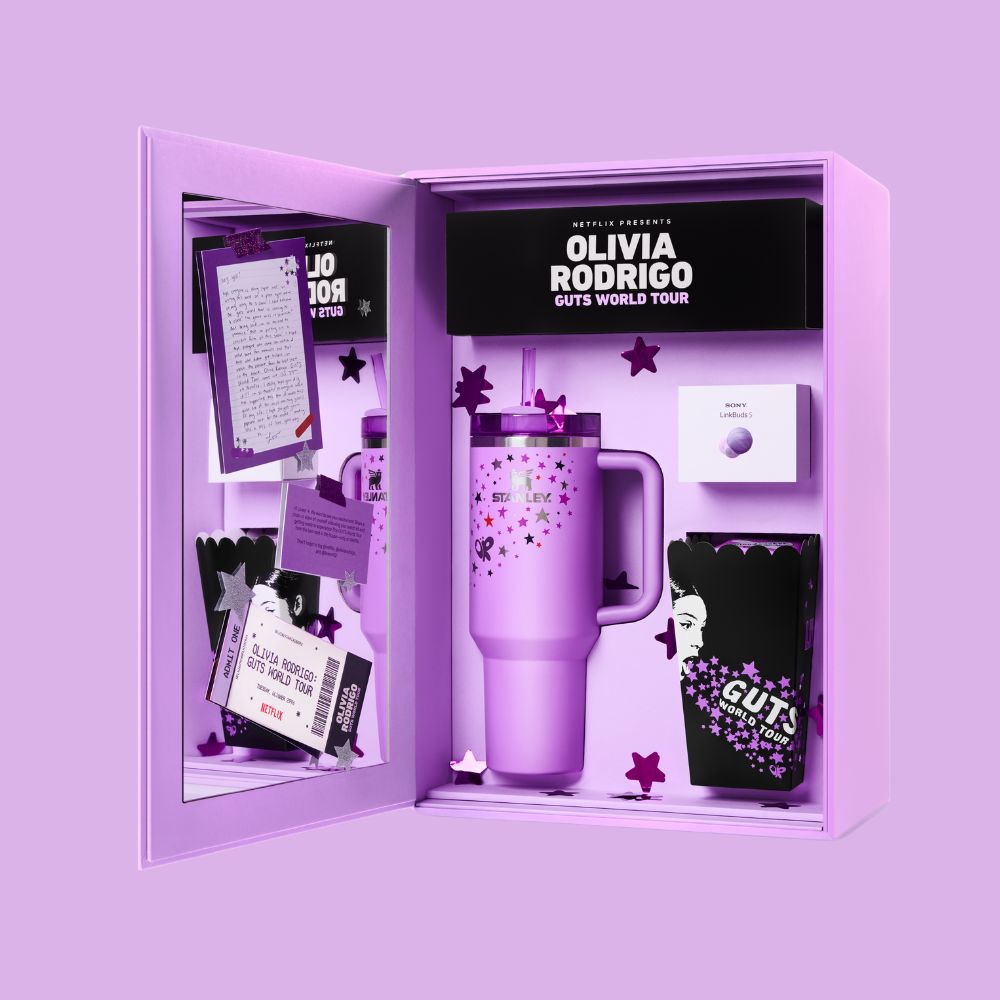
Creators can tell the difference between a package addressed to them and one addressed to a list.
Personalization doesn't have to be elaborate. A note that mentions something specific, a name on a printed piece or a variant chosen for that person does more than customizing every component. Depending on the project, personalization can include names, messaging, engraving and printed elements.
Whatever you choose, it depends on accurate data and adds steps during assembly, so decide early rather than late.
6. Make it easy to talk about
If a creator has to research your product to post about it, some won't.
Give them what they need inside the box: what the product is, what makes it different, how to use it, where to find it and the handles or hashtags for the campaign. Keep it short and well designed—a printed card that fits the kit, not a press release.
This is also where expectations belong. If the campaign includes a specific ask or a timing window, say so plainly rather than hoping it's understood.
7. Time it to the launch
The date that matters is when the mailer is in a creator's hands, which is usually before your launch, not on it. Creators need time to open, shoot and post.
Then work backward. Standard production is approximately 14 business days after final approvals, and design, sampling, sourcing, personalization, assembly and shipping all sit outside that window. Our guide to how long custom packaging takes maps the full sequence.
Set the in-hand date first. Every other deadline in the campaign works backward from it.
8. Getting kits to creators
Most seeding campaigns ship individually: one package, one creator, one address. That means every address has to be right, and every kit has to be packed to travel on its own.
Accuracy matters more than it sounds. A misspelled address or an outdated one doesn't just cost a shipment; it costs the moment. Confirm the list close to production, especially for creators who move or travel.
We handle kitting, assembly and individual fulfillment to a provided recipient list, so the same team that builds the packaging also packs and ships it.
9. Common mistakes
- Sending the same box to everyoneCreators with different audiences, sizes or preferences rarely need identical kits.
- Leading with the logoA branded item nobody wants is the fastest way to end up unopened.
- Finalizing the list lateAddresses are almost always the last piece, and they hold up everything.
- Oversizing the boxExtra space adds shipping cost and makes the kit feel emptier on camera.
- Forgetting the detailsWithout product names, links or key information, creators have to guess.
- Arriving after the launchA mailer that lands late loses the moment it was built for.
10. Campaign checklist
Before reaching out for an estimate, gather what you can:
- Campaign and launch dateWhat you're announcing, and the date it goes live.
- Creator list and quantityRoughly how many, and whether tiers are involved.
- ProductsWhat's going inside, including sizes, shades or variants.
- SourcingWhether anything needs to be sourced or custom made.
- PersonalizationNames, notes or creator-specific pieces.
- In-hand dateWhen mailers need to reach creators, not when they ship.
- BudgetA working range for the whole program.
- ShippingIndividual addresses, bulk to an agency, or both.
If your campaign also reaches editors, press or talent, our PR kits and press mailers page covers that side, and how much a custom PR box costs explains what drives the budget. When you're ready, start a project and we'll help shape the rest.
Frequently asked questions
How far in advance should we plan a seeding campaign?
Work backward from the date mailers need to be in creators' hands, which is usually before the launch itself. Standard production is approximately 14 business days after final approvals, and concept development, sourcing, personalization, assembly and shipping all happen before or after that window.
Should every creator get the same mailer?
Not necessarily. Many campaigns use tiers, with a more elaborate kit for a small group and a streamlined version for a wider list. Sizes, shades and preferences may also differ by creator, which affects what goes in each box.
What should go inside an influencer mailer?
Usually one hero product, a few pieces that support it, the information a creator needs to talk about it accurately and something personal. A short, deliberate set of items tends to work better than a sampler of everything you make.
When should mailers arrive relative to the launch?
Generally before it. Creators need time to open the kit, shoot it and post, so the in-hand date is typically set ahead of the announcement rather than on the day.
How many mailers should we send?
It depends on the campaign. Some launches go to a small, carefully chosen group; others go out more broadly. Most Salt & Pepper Gifts projects begin at approximately 50 units, and minimums can vary depending on the packaging style, fabrication and products involved.
Can you ship mailers directly to creators?
Yes. We assemble the finished kits and ship them individually to the addresses on your recipient list. Kits can also be bulk shipped to one location, such as an agency or office.
Can you source the products that go inside?
Yes. Merchandise, promotional products and custom items can be sourced as part of the overall project.